Page :
1 | 2 |
3 |
4 |
5 |
6 |
7
More Information
Scaffolding in the GCC: Types, Materials, Market Demand, and Industry Dynamics
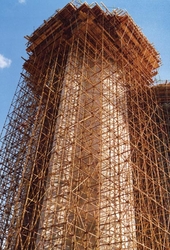
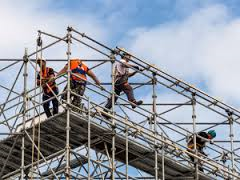
Scaffolding is a critical temporary structure used across construction, infrastructure, and industrial maintenance projects. It provides workers with safe and stable platforms when working at heights, allowing access to areas that would otherwise be difficult to reach during building, installation, maintenance, or repair work.
Across the Gulf Cooperation Council (GCC)—which includes Saudi Arabia, the United Arab Emirates (UAE), Qatar, Kuwait, Oman, and Bahrain—scaffolding demand has grown significantly over the past decade. Large infrastructure projects, oil and gas developments, industrial expansion, and urban construction are driving the need for reliable scaffolding systems throughout the region.
For contractors, construction companies, distributors, and procurement teams operating in the B2B space, understanding scaffolding types, materials, manufacturing processes, and market dynamics is essential for selecting the right solutions.
Types of Scaffolding Used in the GCC
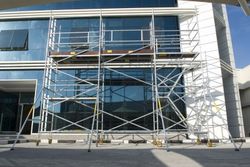
Construction and industrial projects across the GCC use a variety of scaffolding systems depending on project requirements, load capacity, and safety standards.
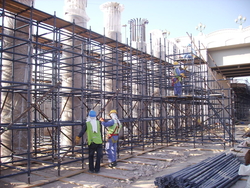
Tube and Coupler Scaffolding
This is one of the most traditional scaffolding systems. It consists of steel tubes connected with couplers to form a flexible framework. Because of its adaptability, tube and coupler scaffolding is often used for complex building shapes or irregular structures.
Cuplock Scaffolding
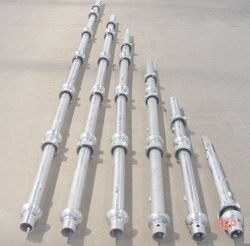
Cuplock scaffolding is a modular system widely used in large construction and infrastructure projects. It features a locking mechanism that allows quick assembly and disassembly, making it efficient for projects requiring frequent adjustments.
Ringlock Scaffolding
Ringlock scaffolding is a modern modular system known for its high load-bearing capacity and structural stability. It is commonly used in industrial projects such as refineries, power plants, and petrochemical facilities.
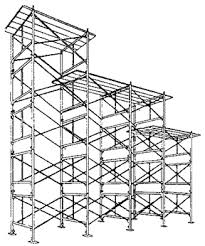
Frame Scaffolding
Also known as H-frame scaffolding, this system is frequently used in residential construction and smaller projects. It is lightweight, easy to assemble, and cost-effective.
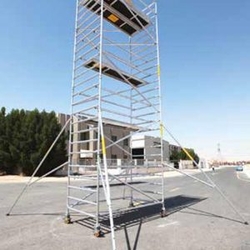
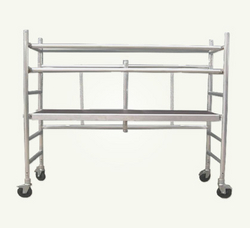

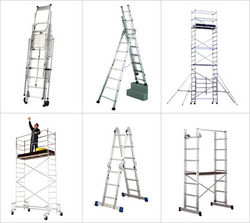
Mobile and Aluminum Scaffolding
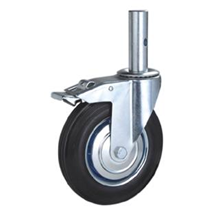
Mobile scaffolding systems are made from lightweight aluminum and include wheels for mobility. They are commonly used for maintenance, painting, and interior work.
Raw Materials Used in Scaffolding Manufacturing
Scaffolding components must be strong, durable, and capable of supporting heavy loads. As a result, manufacturers typically use high-quality structural materials.
Steel
Steel is the most widely used material in scaffolding production. Galvanized steel tubes offer excellent strength, corrosion resistance, and durability, making them suitable for large-scale construction and industrial applications.
Aluminum
Aluminum scaffolding systems are lighter than steel and are commonly used in mobile scaffolding towers and maintenance platforms. They are particularly useful for indoor applications and projects requiring frequent relocation of equipment.
Timber and Steel Planks
Platforms on scaffolding systems are typically made from treated timber boards or steel planks. These boards provide a safe working surface for workers and equipment.
Fasteners and Couplers
Specialized couplers, clamps, and locking mechanisms connect scaffolding components securely and ensure structural stability.
How Scaffolding Is Manufactured
The manufacturing of scaffolding systems involves several stages designed to ensure structural strength and safety compliance.
Steel Tube Production
Scaffolding tubes are manufactured using high-grade steel that is cut, shaped, and welded into standard lengths.
Galvanization
Most scaffolding components undergo hot-dip galvanization to protect against corrosion and extend their lifespan, especially in harsh environments such as coastal regions.
Fabrication
Components such as couplers, frames, and connectors are fabricated and assembled to form modular scaffolding systems.
Quality Testing
Manufacturers conduct load testing and safety checks to ensure scaffolding meets international safety standards such as OSHA, EN, or BS specifications.
Packaging and Distribution
Finished scaffolding components are bundled and transported to distributors, contractors, and construction companies.
Demand for Scaffolding in GCC Countries
The GCC construction sector is one of the primary drivers of scaffolding demand.
Large-scale infrastructure and real estate developments across the region continue to generate significant requirements for scaffolding equipment and services.
Saudi Arabia is the largest market due to its massive infrastructure initiatives under Vision 2030, including projects such as new cities, tourism developments, and industrial zones.
The UAE also represents a major demand center, with ongoing development in residential towers, commercial complexes, airports, and hospitality projects.
In Qatar, scaffolding demand has increased with the expansion of infrastructure, energy facilities, and urban development projects.
Oman, Kuwait, and Bahrain are smaller markets but continue to experience steady demand from residential construction and industrial maintenance.
Key Demand Drivers in the GCC
Several economic and industrial factors are supporting the growth of the scaffolding market across GCC countries.
Infrastructure Development
Large government investments in roads, airports, railways, bridges, and urban infrastructure require extensive scaffolding systems.
Oil and Gas Industry
Refineries, offshore platforms, and petrochemical plants rely on scaffolding for maintenance, inspection, and repair operations.
Construction Boom
Rapid urbanization and real estate development across cities such as Riyadh, Dubai, Doha, and Muscat continue to fuel scaffolding demand.
Industrial Expansion
Manufacturing plants, power stations, and industrial facilities require scaffolding for both construction and maintenance activities.
Challenges Faced by Buyers and Contractors
While the scaffolding industry in the GCC is growing, buyers and contractors face several challenges when sourcing equipment.
Safety Compliance
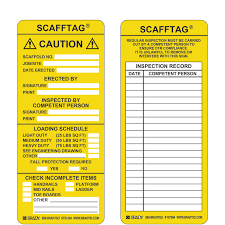
Scaffolding systems must meet strict safety regulations to protect workers and comply with international construction standards.
Quality Variations
Lower-quality scaffolding materials can compromise structural integrity and pose safety risks on job sites.
Storage and Logistics
Scaffolding components require significant storage space and efficient logistics management due to their bulk and weight.
Rental vs Ownership Decisions
Many contractors choose to rent scaffolding rather than purchase equipment to reduce capital investment and maintenance costs.
Opportunities for Suppliers and Distributors
The GCC continues to offer strong growth opportunities for scaffolding manufacturers, suppliers, and rental service providers.
With billions of dollars invested in infrastructure and construction projects, demand for high-quality scaffolding systems is expected to remain strong for years to come.
Companies that can offer durable materials, compliant safety standards, and reliable supply chains will be well positioned to serve contractors and project developers across the region.
Scaffolding plays a crucial role in enabling safe and efficient construction and industrial operations across the GCC. As the region continues to invest heavily in infrastructure, tourism, energy, and urban development, demand for reliable scaffolding systems is expected to remain strong.
For contractors, procurement professionals, and distributors, selecting the right scaffolding systems and suppliers is essential to ensure project safety, operational efficiency, and long-term value.
In the evolving construction landscape of the GCC, scaffolding will continue to be an indispensable component supporting the region’s ambitious development goals.